Day Two: I am a feminist. These are the things I struggle with.

Our blogathon begins by turning to domestic abuse research to ask what kind of an object violence is and how it articulates with everyday ‘relationship rules’ that shape how we see and understand it

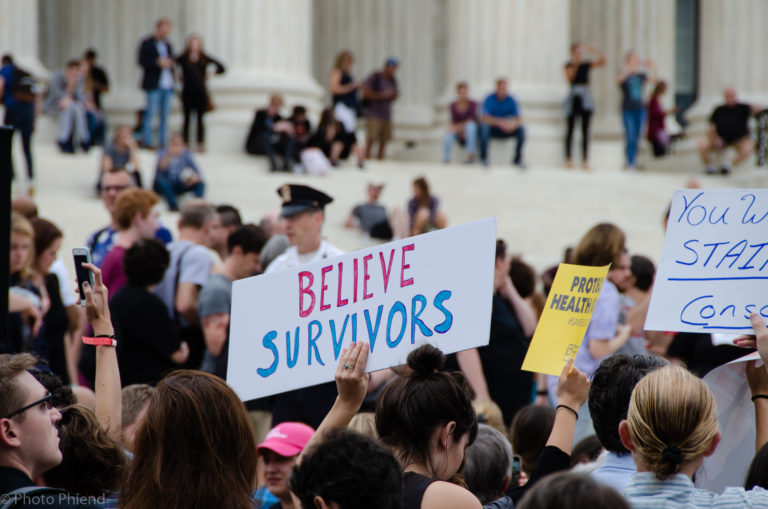
Featured image from Photo Phiend / Flickr.

Catherine Donovan

I am a feminist. These are the things I struggle with. How do we get a better understanding and response to domestic abuse in the relationships of lesbians, gay men, bisexual women and men, trans and non-binary folk?

There is a public story about domestic abuse that tells us that ‘the problem’ is that of cisgender heterosexual men being, primarily, physically (including sexually) violent towards cisgender heterosexual women.

(Donovan and Hester 2014)

We know that men are vastly more likely to be the perpetrators and women the victim/survivors. But the public story of domestic abuse has unintended consequences for members of LGBTQ+ communities who are victim/survivors of domestic abuse and seek help. Assumptions follow from this public story of domestic abuse: that men can’t be victim/survivors; women can’t be perpetrators; perpetrators are bigger and stronger than victim/survivors who are smaller and weaker/passive. The public story of domestic abuse doesn’t just describe a problem, it creates a problem with particular contours in our minds, in the minds of those who are victimised and in the minds of help-providers. It makes it difficult to tell different stories and it makes it difficult for them to be heard. How can we make it easier for victim/survivors from LGBTQ+ communities to recognise and name what is happening to them and get the help that they need? 

Could we – should we? – stop talking about gender when we talk about domestic abuse and talk instead about the power seen/felt in what we call relationship rules and practices of love?

(Donovan and Hester 2014)

The first rule is that the relationship is for the abusive partner and they will make all the key decisions. The second is that the victim/survivor is responsible for everything – the abuse, the abusive partner, the relationship, the household if they share, the children if they parent. And love can somehow be a glue keeping abusive relationships together and encouraging victim/survivors to keep forgiving and remaining loyal and staying or returning to abusive relationships. Perpetrators use love and promise to change, beg forgiveness and seek understanding by explaining their abuse and their neediness. 

Of course, these relationship rules and practices of love have been shaped by dominant ideas about cis heterosexuality, femininity, and masculinity with binaried and unequal gender norms at the heart of them. I don’t want to lose this analysis and the consequences of patriarchy. But I also want to make sure that anybody who is being victimised by domestic abuse can get access to help. It seems to me that unless we can unhook the perpetrator/victim binary from a heterosexual man/woman binary and their accompanying strong/weak binary and active/passive binary (Donovan and Barnes 2020) then those who are not heterosexual, those who are bigger and/or physically stronger than their abusive partner, those who are not victimised primarily with physical force including physical sexual violence, will not be seen or heard and supported. 

If not, and this seems quite common, where there are two women or two men in an abusive relationship there is a tendency to assume there might be mutual abuse or, as it is sometimes called, bi-directional violence. I think this is because without the heterosexual abusive binaries outlined above it becomes difficult to ‘work out’ who is the perpetrator and who is the victim/survivor. If we could focus on how power operates through relationship rules and the practices of love we might be better able to identify whether, in fact, one partner is using physical violence or other behaviours to manage, resist, and/or defend themselves against the domestic abuse of their partner. If we can put assumptions about heteronormative, binaried gender to one side and focus on the direction of power, the relationship rules, the way that love operates in the relationship then we might better understand that rarely are any victim/survivors passive and weak. On the contrary, victim/survivors are made responsible by the perpetrator, they manage everything including their own behaviours and those of their abusive partner, attempting to pre-empt their needs and demands in order to mitigate the abuse. They also fight back, they try to (re)establish an equal relationship. It doesn’t work because perpetrators are more willing to use abusive behaviours (and use them regularly) to remind victim/survivors of the relationship rules and/or to punish them for not obeying them. But this is why domestic abuse is often so difficult to name. The imagery that reflects the public story – the man in the foreground, standing, a hand in a fist raised, larger by perspective than the woman in the background, on the floor, kneeling, sitting, smaller, at the mercy of the man. This is powerful imagery. Perhaps it has been too powerful or successful because it has unwittingly created limited ideas about what counts as domestic abuse and who counts as legitimate victim/survivors. The public story of domestic abuse is not enough to allow all of those victimised by domestic abuse to get the help they need. This what I struggle with, and I am a feminist. 

REFERENCES

Donovan, C.; Hester, M. (2014) Domestic Violence and Sexuality: What’s Love Got to do with it?  Policy Press: Bristol. http://www.policypress.co.uk/display.asp?ISB=9781447307433& Now out in 2015 paperback.

Donovan, C. and Barnes, R. (2020) Queering the Narratives of Domestic violence and Abuse. Palgrave: London.

AUTHOR BIO

Catherine Donovan is Professor in Sociology and Head of Department at Durham University UK. For the last 30 year she has been researching the intimate and family lives – more recently focussing on domestic and sexual abuse – of lesbians, gay men, bisexual, and, trans folk. Her work, both with Prof Marianne Hester and with Dr Rebecca Barnes, has been innovative focussing as it has first of all on comparing love and violence in same sex and heterosexual relationships and then on lesbians, gay men, bisexual and trans folk who use violence and abusive behaviours in their intimate relationships. She has also been involved with research considering perpetrators of family abuse in minoritised communities including targeting lesbians, gay men bisexual and trans folk. She is on the Drive Partnership national working group on LGBTQ+ perpetrators and is a Board member of WWiN a domestic abuse service in Sunderland, North East England.

Day One: Welcome to 2023’s 16 Days Blogathon

This year’s annual blogathon brings together voices from research, student activism, and institutional perspectives to raise awareness of the #16DaysofActivism Against Gender Based Violence global campaign. The blogathon marks a continuing collaboration between the University of Edinburgh, Dr B.R. Ambedkar University, Delhi, and the University of New South Wales, Sydney. This year we are joined by guest curators from Margherita von Brentano Center at Freie Universität Berlin, for the Una Europa Gender Equality Network (UGEN)

Featured image from UN Women: https://www.unwomen.org/en/what-we-do/ending-violence-against-women/unite/16-days-of-activism

Today is 25 November, the International Day for the Elimination of Violence Against Women. On this day every year, researchers and activists around the world come together to tell the very real story of gender-based violence as it is experienced by people from different locations, contexts, and backgrounds. This story is told through a series of blogs authored for the 16 Days Of Activism campaign, running from 25 November (International Day for the Elimination of Violence Against Women) to 10 December (Human Rights Day). 

This year’s blogathon is focused on sexual violence and harassment in higher education institutions. In the last ten years, the reality of pervasive sexual violence and harassment on university campuses around the world has been increasingly exposed. Student activists on campuses have been advocating for universities to act to prevent and respond. However, universities are entangled in bureaucracies and legal requirements, a process we call “committee-ization.” In this Introductory blog, we briefly introduce the country-specific contexts of our curators, writing from Australia, the UK, and India.

The issue of sexual violence on Australian campuses gained momentum with the screening of The Hunting Ground, a critically acclaimed US documentary that focusses on the personal stories of students who have experienced sexual assault on campuses. The Hunting Ground Australia Project used the documentary to raise awareness about sexual violence on Australian university campuses. This led to the first national survey on sexual assault and sexual harassment at Australian universities, leading to the instrumental Australian Human Rights Commission’s 2017 Change the Course This was followed by national surveys, the most recent of which is the 2022 ‘National Student Safety Survey’. This survey found that one in six university students have experienced sexual harassment since starting university. This is not only a student issue as outlined in the 2023 study by the National Tertiary Education Union which found that three in ten university staff members had experienced sexual harassment in the workplace. 

The Higher Education sector in the UK too has been slow to acknowledge the problem of gender-based violence and sexual harassment on campus, and reluctant to respond to the calls of generations of student activists and their allies for action. It is only since the 2010s that momentum for change has grown in the face of a growing research and evidence base, increased scrutiny from national and media, sustained student campaigning, and zeitgeist moments like the screening of the US documentary The Hunting Ground, the international truth-telling of #MeToo, and the UK digital project documenting ‘Everyday Sexism’.

The National Union of Students’ (NUS) Hidden Marks report in 2010 marked a turning point in exposing the problem and its prevalence. Reporting on a survey of women students’ experience, it reported that 1:7 of those responding to the survey had been victims of serious sexual assault or serious physical violence, and 68% reported being victims of one or more kinds of sexual harassment. Successive studies revealed toxic mix of ‘lad culture’, ‘rape culture’ and ‘everyday sexism’ thriving in Universities (Phipps and Young 2015) highlighting the need for institutional reform and cultural change.

The problem of addressing gender-based violence, sexual harassment and sexual misconduct in university communities is fraught with difficulty, rooted not only in wider societal dynamics of unequal power but also in the complex combination of hierarchy and intimacy in University spaces. In addition, extant complaint and conduct procedures appear ill-equipped to deal with such matters, deliver adequate outcomes or even provide suitable care for complainants and accused alike. Indeed, until a change of guidance in 2016, the so-called Zellick principles (drawn up in 1994 by sector leadership) actively discouraged Universities from starting internal processes regarding sexual misconduct unless it had first been addressed through the criminal justice system.

Gradually individual institutions began to respond to the mounting demands for institutional reform and cultural change, including by the piloting of bystander and consent programmes in England and Scotland. But it was the Changing the Culturereport (2016) of the Universities UK Taskforce 2016 that marked the beginning of a sector-wide change programme with new guidelines to address poor and inconsistent responses to reporting, lack of specific politics and procedures for sexual misconduct and lack of specialist support. The 2018 Power of the Academy Report  (NUS and 1752 Group) fixed attention on the ongoing problem of staff-student sexual misconduct, noting that 4:10 student respondents had experienced at least one instance of sexualised behaviour from staff. The routine use of secrecy clauses (NDAs) by institutions after the resolution of complaints has been challenged. Success in Scotland at securing commitments from University leaders to stop using NDAs in cases of sexual misconduct prompted the 2022 NUS Campaign Can’t Buy My Silence campaign in England. 

Progress has been slow and faltering but there is a trend towards promotion of intersectional and whole-institution approaches, for example, the Scottish Equally Safe in Higher Education approach aligned to the Scottish government’s wider anti-GBV strategy, which cautions against taking an overly regulatory, criminal justice approach to the detriment of wider cultural change and duty of care considerations. Since 2021, the English Office for Students has set out a Statement of Expectations to University leaders for preventing and addressing harassment and misconduct in HE.

Commentators have noted a change in calculations for Universities and other HE institutions. In the past it may have been deemed too risky to institutional reputation for Universities to ‘lift the lid’ on sexual misconduct in their communities (staff-student, staff-staff, student-student), now – it is argued – there is greater reputational damage in being seen NOT to be doing anything (Anitha and Lewis 2018). Student activism has provided the catalyst for change and student activists continue to call institutions to account.

In India, conversations around sexual harassment coalesced in the 1990s. The gangrape of a woman employee during work, multiple protests by women’s groups across the country, a writ petition filed by an organisation in the Supreme Court and the subsequent judgement (Vishaka v State of Rajasthan) defined sexual harassment of women at the workplace for the first time in 1997. The court responded to demands made by women’s movements and addressed the empirical reality of women workers in organised workforce. Taking cue from this judgement, one of the earliest Gender Sensitisation and Committee for Prevention for Sexual Harassment was elected in JNU, New Delhi in 1999. The GSCASH Policy stated [t]he University is committed to the providing a place of work and study free of sexual harassment intimidation or exploitation. Sexual Harassment as defined in the judgement mentioned above included such unwelcome sexually determined behavior as physical contacts and advance, sexually coloured remarks, showing pornography and sexual demands, whether by words or actions. Much of the first decade of the 2000s did not see the mandatory presence of anti sexual harassment bodies in higher education institutions barring exceptions like JNU or the University of Delhi. 

After the 2012, December 16 gangrape, the Government set up the Verma Committee to look into the ways in which criminal laws could be amended. The report had a section on sexual harassment and in that context it referred to well functioning anti-sexual harassment bodies in educational institutions, like that in JNU: 

“Those universities, in which Internal Complaint Committees have functioned successfully to deal with sexual harassment, should share their internal guidelines on combating sexual harassment in their University with other Universities across India. As an example, the internal complaint committee of JNU is known as Gender Sensitisation Committee against Sexual Harassment, which is stated to have been extremely effective in its working partly due to the diverse nature of its constituent members. This model may be examined”. [page 140]

However, the passing of The Sexual Harassment of Women at Workplace (Prevention, Prohibition and Redressal) Act, 2013made a formidable change in bodies like GSCASH, replacing it with Internal Complaints Committee (ICC) in 2016, rejecting the praises that the Verma Committee had for the former. In the meantime, August and September 2014 saw a new slogan from young college-going people – hok kolorob (let there be clamour) – which started from the streets of Kolkata, as a response to a problematic handling of a reported case of sexual harassment at Jadavpur University (JU), Kolkata (Chakravarti and Roy 2022) and against the subsequent police attack on peacefully agitating students. At nearly the same time as the protest in JU, another incident of sexual harassment against a woman student at Visva Bharati, Shantiniketan, was reported. Yet another incident of sexual harassment at Banaras Hindu University (BHU) was reported on September 2014, which prompted protests by students. It brought out in the open that while women students are mostly silenced by the authorities, at times, they do decide to organise themselves to make noise, claiming their rights. While in 2013 the UGC initiated SAKSHAM report was published, which brought to light the uneven functioning of anti-sexual harassment bodies in most higher education institutions, expecting women’s development cells in colleges to deal with complaints against sexual harassment. The report recommended the need to introduce gender sensitisation workshops for all members of the higher educational institution and marked a distinction between securitisation and protectionism. 

In 2017 post the release of #List (Raya Sarkar), the limitations of the functioning of the anti-sexual harassment bodies were brought to light and debates opened between feminists on power, privilege, (lack of) professional ethics in teacher-student relationship. This was the #MeToo moment in Indian academia and it complicated the conversation around sexual harassment, which was now not just about whether voices could be heard but also asking how to speak. While post 2013, all HEIs mandatorily have to create ICC, the question remains whether there has been a deeper bureaucratisation of this committee losing its touch with feminist politics and becoming a legal mandate that institutions need to display. On the other hand, the unfinished discussion on intersectional everyday forms of power that generate gendered behaviour in HEIs need to be sharpened, by bringing in discussions on consent, intimacy, transgression. Finally to raise questions around whether the sexual harassment question and ensuring a non-hostile work environment (which Vishaka mandated) need to be part of employee contract and not a separate committee/complaint matter. 

In this year’s blogathon, we will explore all of these perspectives to better understand how sexual violence and sexual harassment can be overcome. We have curated our blogs to reflect the arc of a demand for justice as it makes its way through an institution. Our early posts complicate ideas about gender-based violence and its form, consent, and reception. We then move on to the social, cultural, and legal contexts of how claims are received and processed by institutions, reflecting on personal experiences not only of survivors but also of the impossibility of serving as a feminist on some of these committees. Finally, our concluding posts point to student activism and its articulation with forms of power. 

Content note: Posts inevitably address distressing experiences and issues around sexual and gender-based violence. We hope they also provoke, energise and at times, serve to provide hope when it seems most bleak. 

The 2023 curators:

University of Edinburgh: Dr Hemangini Gupta (Assoc Director and 2023 Blogathon Co-Lead), Prof. Fiona Mackay (GENDER.ED Governance Lead and 2023 Blogathon Co-Lead) and Rhea Gandhi (PhD web and editorial assistant) from GENDER.ED.

Dr B R Ambedkar University Delhi: Prof. Rukmini Sen, Dr Rachna Mehra. 

University of New South Wales: Prof. Jan Breckenridge (Co-Convenor), Mailin Suchting (Manager) and Georgia Lyons (Research Assistant) for the Gendered Violence Research Network.

Guest curators: Dr. Heike Pantelmann (Managing Director) and Dr. Sabina García Peter (Associate), Margherita von Brentano Center at Freie Universität Berlin, for the Una Europa Gender Equality Network (UGEN).
DAY THIRTEEN: Fursat ki Fizayen: a reclamation of space, rights and aspirations

Divya Chopra and Rwitee Mandal illuminates the importance of accessible spaces for women, especially in urban sites which are often planned with masculine vision and makes these spaces unsafe and non-inclusive for women.

Divya Chopra and Rwitee Mandal 

Featured image: ‘Top view of the terrace’ at Fursat ki Fizayen, credits to authors

Gender Biased Violence (GBV), especially Violence Against Women (VAW), is a living reality for migrant women living in resettlement colonies. Dislocation to under-resourced peripheries of cities is an iniquitous outcome of the urbanization process which deeply and disproportionately affects women who constitute almost 67% of the migrant population (Census of India 2011). While the underlying causes of GBV are rooted in patriarchal relations, the impacts of urban migration on gender compound those relations. Violence Against Women varies according to geographical location and scale as well as various other causal and contextual processes in cities. Migration particularly has deep ramifications on the lives of women by impacting their livelihoods, access to opportunities, resources, services and their ‘right to the city.’ Further, the physical configuration of urban areas planned with a masculine vision renders urban spaces unsafe, inaccessible, and non-inclusive. 

Within this larger discourse on GBV, VAW, and urban migration, ‘Fursat ki Fizayen’, a socially engaged art project supported by Khoj International Artists’ Association, engaged with the spatial realities of young, single, working women living at the margins – geographically, socially and economically – and artistically interpreted the multiple narratives around women’s leisure in the visible public domain, thereby encouraging women’s participation in public space.

The project explored the concept of leisure as a way of acknowledging women’s right to leisure time for personal growth as well as mental and physical well-being; as a way of addressing women’s right to leisure spaces in the city; and together with such an approach, contributed towards building gender inclusive cities. 

The project site, Madanpur Khadar, is a peri-urban, resettlement colony in Delhi, located along the southern banks of River Yamuna, where provisions of basic urban services and amenities are grossly inadequate. Open spaces within this tightly packed, built-to-edge, lower income neighbourhood are heavily gendered, unsafe, and hence inaccessible, discouraging young girls and women from enjoying these spaces. Instead, they avoid these spaces completely and remain invisible in their own neighbourhood.

Lacking access to physical leisure spaces, but having access to smartphones, they escape into a virtual space to live an alternative reality of public life. Through the construction and projection of self in an anonymous digital realm, they express their aspiration for leisure without being judged or afraid. Thus, providing access to a safe space where young women could enjoy leisure time without the fear of harassment or violence became the primary objective of the project.  

Leisure for women in cities, often determined by the intersection of gender with other identities, produce exclusion in complex ways. It is seen when women spend their leisure time, they construct their identities using space to express themselves and interact with others. Fursat ki Fizayen explored this dialectical relationship between leisure and space by engaging young, single, working women to reflect on how they think and construct their own images in the public domain. Participatory place-making and image-making being powerful tools for social empowerment were used to foster ownership and belongingness for their created environments. Stories of daily negotiations and contestations were curated to understand the lived experiences and spatial realities of these young women who access the site of power – the public domain – while exploring and reclaiming spaces for leisure in their own unique ways. Aspects of time, space and nature of leisure were discussed to co-design and co-produce leisure spaces with them. Their stories were used to understand and question the ways in which the world affects women at leisure. 

Among the many open spaces imagined and desired for at the neighbourhood, precinct, and city level, a space often forgotten, underutilized, and seldom used for leisure – terrace – emerged as the space of relief and escape from the confines of the four walls. Our facilitation partner Jagori provided the terrace at their community office at Madanpur Khadar for intervention.

The terrace at Jagori was also seen as a safe, familiar, and accessible space. Addressing multiple binaries, this space was reimagined as a personal yet collective, private yet public, internal yet external, an open-to-sky elevated space with lots of plants, seating, lights, decorations, music, mirrors, games (carrom, hopscotch, skipping), exercise equipment, a patch for a kitchen garden and various backdrops for selfies.

A central feature of the terrace, a colourful wall mural, was conceptualized along with the girls who co-created the mural along with two young artists. Together with the girls, the artists painted each of the girls’ avatars in joyful colours, enjoying both productive and non-productive means of leisure – reading, singing, working out, taking selfies, dressing up or just watching the world go by.  

Project team with group of girls. Image credits to authors.

The mural also strongly represents women’s right to experience leisure freely without the fear of harassment or violence. Since the young women have a strong digital presence, a Wi-Fi connection with boosters, charging points and speakers have been installed along with the creation of a beautiful backdrop for video calls/meetings, selfies/reels. A QR code printed on the wall connects the visitors to our Instagram page. The reclaimed terrace now has become a space for me-time, meet-ups and celebrations. 

Having an afterlife, way beyond the duration and scope of the intervention, was an inherent quality of the project and its associations. The women appropriated the space by growing their kitchen gardens, making their decorations, creating their selfie backdrops, holding their celebrations, and bringing along more women and girls to enjoy that space. The vibrant terrace continues to be used in creative ways to experience leisure by the community women. This terrace was built as a prototype that could be easily replicated allowing for additions and alterations. We hope it can trigger similar ideas to make use of underutilized terrace spaces to their full potential using local skill sets, locally produced products and locally available materials – which are low-cost, sustainable and support local businesses.

Together, these terraces could fulfil the need for accessible, and familiar spaces which women can access freely and use for personal and collective time, without fear of harassment and violence. 

Authors’ Bios

Divya and Rwitee are spatial design practitioners, researchers and educators based out of Delhi/Gurgaon. 

Divya’s practice primarily delves into themes of Inclusive Cities, Informality and Migration, Socio-spatial Justice and Urbanising Rural. Her current research pursuits revolve around formulating an integrated urban development framework that allows for a collaborative and structured way of envisioning, co-designing and co-producing our cities. She has been working across community partnered multidisciplinary engagements with a focus on placemaking through participatory art and co-design methods. She has been actively involved with the Urban Form Lab at the Urban Design programme at the School of Planning and Architecture (SPA), New Delhi. 

Rwitee is a Senior Program Manager at Safetipin, a social enterprise which uses technology to collect spatial data in order to make cities safer and inclusive for women and others. She has been working across multidisciplinary domains with a focus on gender-responsive spaces and placemaking through participatory art and co-design methods. She mentors the Social Urbanism Lab at the postgraduate Urban Design programme of the School of Planning and Architecture (SPA), New Delhi. 

DAY FIVE: Confronting Gender-based Violence in Ancient Rome: The Sexual Violation of Pubescent Boys

In this post, Ulrike Roth explores evidence from the ancient Roman world to raise questions about our preparedness to confront the issue of sexual violence against children, then and now.

Ulrike Roth

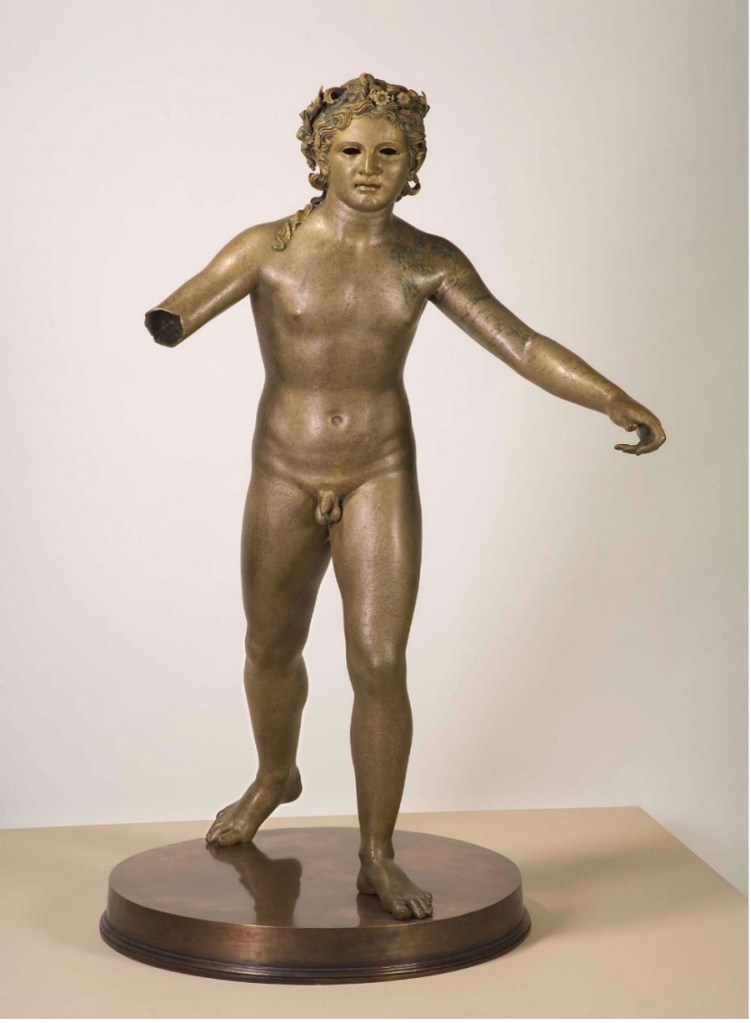
Featured Image: Warren Cup, c. 15 BCE–15 CE; Jerusalem. © The Trustees of the British Museum, London/UK (CC BY-NC-SA 4.0)

Although only recently given fuller scholarly attention, gender-based violence was a given in ancient Roman society over the long millennium of its existence, from before the middle of the first millennium BCE to the middle of the first millennium CE. Take the sexual violation of male teenagers in the context of slavery. Deeply disturbing from a modern vantage point, sexual interactions between free adult men and enslaved pubescent boys are repeatedly reported in the surviving sources as forced upon the youngsters, with a focus on youths up to 14 years of age. While taken for granted by many, not everyone agreed. In fact, despite its prevalence we can find ancient voices exposing and condemning the practice as exploitation.

In the 60s CE, Seneca, the former tutor and advisor of the Roman Emperor Nero, publicly criticised the sexual violation of boys by their enslavers:

Another, who serves the wine, must dress like a woman and wrestle with his advancing years; he cannot get away from his boyhood; he is dragged back to it; and though he has already acquired a soldier’s figure, he is kept beardless by having his hair smoothed away or plucked out by the roots, and he must remain awake throughout the night, dividing his time between his master’s drunkenness and his lust; in the chamber he must be a man, at the feast a boy.

Seneca, Moral Letters 47.7

Elsewhere, Seneca refers to the abused as ‘luckless boys’, and calls their abuse ‘shameful treatment’ (95.24). A wall painting from a dining room in the ancient city of Pompeii, in southern Italy, likely visualises this ‘treatment’ of enslaved boys for sexual purposes: while three servants assist various dinner guests in the foreground, another, possibly North African boy, appears embraced by an adult figure, seated in the centre-right at the back of the room.

Wall painting from the House of the Triclinium in Pompeii (V, 2, 4), 50–79 CE.
Courtesy of: Museo Archeologico Nazionale di Napoli (Naples/Italy), via Wikimedia Commons.

The overlap between the serving function of boys at banquets and their exploitation for sexual purposes is powerfully brought out in full-size sculptures displayed in many elite Roman home. Intended to appear sexually alluring, the naked ‘dumb waiter’ cast in bronze – such as the statute known by its find-spot as the ‘Xanten Youth’ – underscored the commodification of enslaved boys who could be forced to satisfy their enslavers’ every desire. The tension between Seneca’s critique and these artistic representations that catered to the enslaver’s sexualised gaze is unmistaken.

‘Xanten Youth’, c. 50 BCE–100 CE (Xanten/Germany); without serving tray.
© Staatliche Museen zu Berlin, Antikensammlung / Johannes Laurentius (CC NC-BY-SA)

What makes approaching this material especially tricky for the modern scholar seeking to identify gender-based violence in the ancient Roman world is the fact that same-sex relations between males of different ages were not in themselves frowned upon in antiquity, particularly in culturally Greek contexts, and that they were regularly consensual in nature. Indeed, there is no reason to think that all or perhaps even most of these relationships were framed by the coercion of the younger male. A prime example often cited by modern scholars for such a consensual relationship is that between the Roman Emperor Hadrian and the much younger Antinoos, a youth from Bithynia (in modern Turkey), with whom the Emperor slept. Known for his love of Greek practices, Hadrian even publicly idolised Antinoos, and deified him after his premature death in 130 CE, aged 19.

Relief portrait of Antinoos (on a modern slab), c. 130 CE; Louvre (Paris/France).
Courtesy of: C. Raddato (CC BY-SA 2.0)

Much of the relevant evidence for studying gender-based violence is therefore open to different interpretations – from consensus to abuse. This makes pinpointing occurrences of sexual violence difficult. But history books and museum exhibits ignore these uncomfortable ambiguities when they only talk about Antinoos as the Emperor’s lover. They ignore the signs that he might well have been the victim of what we would now call sexual abuse. Could a provincial boy from Bithynia really have said no to the Emperor’s advances? Could abusive dynamics explain his mysterious death in the Nile, possibly by suicide? We don’t have a shred of evidence from Antinoos to know what he felt.

He shares a mute and muted destiny along with the ranks of enslaved individuals whose voices we just don’t hear. But when privileging a consensual interpretation of Antinoos’ sexual interaction with the most powerful man of his day, we are only listening out for one side of the story.

The same holds for the imagery on the Warren Cup that heads this blog. What are we witnessing? Male homosexual love-making? Perhaps even a consensual sexual act between a slaver and a boy enslaved to him? This has been the view of several modern scholars. What do visitors to the British Museum who see the Cup make of it? If slavery defined the two figures’ relationship, how can a focus on a consensual reading be justified?

How, to ask the question more broadly, is one to talk about this kind of Roman evidence with individuals who have experienced sexual violence if we marginalise in our interpretations the very real possibility, even probability, that sexual violence drove many interactions between enslaver and enslaved in the Roman world?

Confronting the more disturbing settings that lurk behind some of the most aesthetically pleasing relics from the ancient Roman world is not about ignoring the many other interpretative options, to pass anachronistically judgement on a dead society; it’s about contributing to a debate that we, today, must have. Trying to uncover the tracks of abusers is, after all, the same challenging task today. Acknowledging the ambiguities in the ancient evidence, and listening more carefully to the signs of abuse in it, helps to ingrain in our mindsets the kind of sensitivised attitude that is so essential in identifying, and combating, sexual violence today.

Author’s Bio:

UIrike Roth is an Ancient Historian, researching and teaching at the University of Edinburgh. She specialises in the study of slavery, primarily in the ancient Roman world, and has recently directed a 3-year project on child slavery in the Roman Empire, funded by the Leverhulme Trust: ‘Enslaved childhoods in the Roman world’.

DAY FOUR: Invisible Impact: Gender-based Violence and the Sikh Women’s Alliance 20 years on

A conversation with Balvinder Kaur Saund who has been at the frontline of activism within the UK’s Sikh community for over two decades.

Balvinder Kaur Saund and Zubin Mistry

Balvinder Kaur Saund has been at the frontline of activism within the UK’s Sikh community for over two decades. “They don’t want their gurdwara tainted with the words domestic violence, ‘honour’-based violence, female infanticide,” she explains. “They say to me, ‘It’s in the other communities, it’s not in our community. Why are you making us look bad?’”. 

But Saund knows these problems exist inside, not just outside, her community. Underlying them is a misogyny that endures even as times have supposedly changed. Centuries ago, she reflects, some families resorted to burying their daughters alive. Then modern technology enabled sex-selective abortions while richer families still attempt to use reproductive technologies to get the son they want. These are the most extreme expressions of a preference for boys that persists to this day. Saund is not surprised whenever she belatedly learns about the births of girls almost as an afterthought. “If it had been a boy,” she notes, “I would have had a phone call, I would have had ladoo, I would have an invitation to the party, an invitation to the gurdwara – and they would announce it on Punjabi radio!” Women’s lives are still devalued.

But groups like the London-based Sikh Women’s Alliance (SWA) galvanize women to tackle the deep-rooted attitudes and structures that fuel gender-based violence and constrain communities from tackling it. Originally launched in 2001 by a male-based Sikh studies group, Saund and four other women quickly took over the reins because “we didn’t want men to tell us how to run the group”.

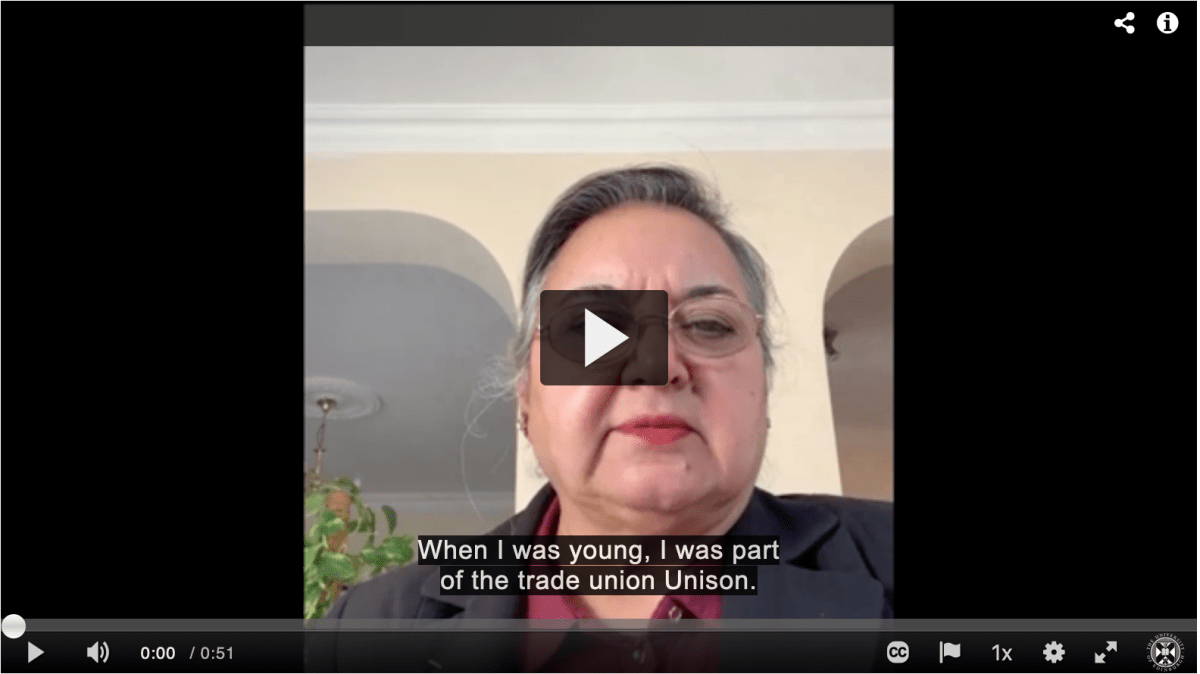
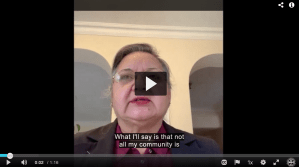
Video above: Interview with Balvinder Saud (part 1)
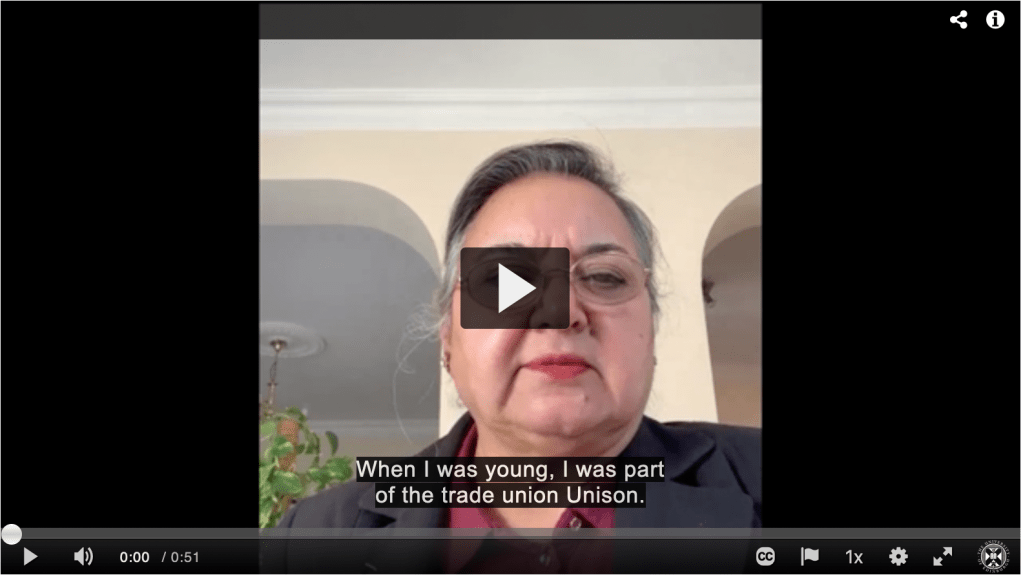
Video above: Interview with Balvinder Saud (part 2)

Founded to empower, inspire and educate women, the SWA is a cross between a support group, social network and consciousness-raising organisation. At monthly meet-and-greets the group holds workshops on everything from emotional well-being to financial independence. If it’s somebody’s birthday, they’ll bring along food and everyone has a song and a dance. Each year on International Women’s Day they celebrate achievements of ‘Sikh Women of Substance’ like Preet Gill, the first female Sikh MP, and Jasvinder Sanghera. SWA conferences have addressed the sexual exploitation of South Asian women and the silence that isolates women in difficult and dangerous circumstances.

With a wealth of experience as a local councillor and magistrate as well as community activist, Saund knows those circumstances all too well. Working out of a safe room at the gurdwara, she has used her know-how to direct desperate women to domestic violence groups and navigate them through the court system. She is hopeful the SWA really has had an “invisible impact” that is not easily recorded. But she also recognises how challenging it is for women to leave violent situations. Like many people at the front line, she knows the pandemic has only made things worse.

Gender-based violence is, of course, not unique to Sikh communities. Far from it. As Saund puts it, “We are just a reflection of the wider world.” But she also has little time for the kind of hand-wringing that inhibits talking about the specific challenges of tackling problems within particular communities. In her estimation Sikh women have lost out because the police and other agencies become complacent if communities like hers “don’t make much noise”. Women’s trust in the police has long been an issue. That trust has hit “rock bottom”, Saund fears, following the terrible circumstances of Sarah Everard’s murder and the police’s much criticised response.

But reticence within her community is also a problem. She once overheard a group of men point her out as the person who was going round breaking up marriages. “Excuse me gentlemen,” she responded, “if you treated your daughters-in-law like your daughters, they would not come to me for help”. The loud energy that typically greets perceived slights against the religious book contrasts with the deafening silence when a woman from the community is raped. Saund is endlessly frustrated that the gender equality promoted by the founder of Sikhism, Guru Nanak, gets spouted in sermons, but is all too rarely put into practice.

Community leadership is a case in point. “The men like to hog the seats”, Saund explains. One or two women might be  put in charge of the kitchen for langar. Saund has long advocated for targets on national councils and local gurdwara committees.

Leadership has failed to acknowledge, let alone address, a very serious issue: the abuse of women and children in gurdwaras. While the #MeToo movement has energised women to speak out against abuse – and while some religious organisations are belatedly having a painful reckoning with entrenched histories of sexual abuse – Saund is troubled that safeguarding remains a word she almost never hears uttered in gurdwaras.

Things are changing. A new women’s group, Kaur Sisters, is exploring legal routes to expose abuse. Many people within her community “love [their] children no matter what gender they are”. She sees plenty of high-flying younger women gaining an education and securing financial independence. But many have prospered precisely by “reaching out into the mainstream”. This is one reason why Saund is more pessimistic when she considers how much her community has truly changed. “I would have liked to say after twenty years,” she says ruefully, “that we’ve had an impact, a big impact, but I’m afraid there’s no way I can say that we’ve done that…the community still digs in its heels and refuses to accept problems are there”.

What would she have done differently if she could start over again? “We have more or less become a support group for women now,” she ponders, “but I would have liked us to be more of a group where we pick up our banners too”. Women’s support for one another is essential. But, looking back, Saund‘s advice to young women willing to “pick up the gauntlet and carry on” is clear: “Be loud and make yourself heard”.

Balvinder Kaur Saund is the Chair of the Sikh Women’s Alliance. A former local councillor in Redbridge, London, between 2006 and 2014, she has also served as a magistrate. In 2013 she was profiled in the inaugural iteration of the BBC 100 Women series. This blog is based on a conversation between Balvinder Saund and Zubin Mistry (University of Edinburgh) in October 2021.